Omaha Metro Ventilation Specialists
Attic and Roof Ventilation Installation in Omaha
Your attic’s air circulation directly affects how long your roof lasts and how efficiently your home stays comfortable year-round.
- Read Reviews on Google (opens in a new tab)
-

-
 4-Time BBB Integrity Award Winners
- 6-Time People’s Choice Award Winners
Family-Owned & Operated
Est. 1996
BBB Accredited
4-Time BBB Integrity Award Winners
6-Time People’s Choice Award Winners
Local Windows, Siding & Roofing Experts
Why Proper Roof Ventilation Matters
Why Proper Ventilation Matters for Your Roof
Unventilated attics get 40–50°F hotter than outdoor temperature in summer, buckling shingles, breaking down sealant, and warping roof decking. Proper airflow keeps temperatures stable and moderate, allowing shingles and roof materials to age at their designed rate. Homeowners with poorly ventilated attics often find themselves replacing roofs well before homes with balanced ventilation.
Winter humidity from bathroom exhaust, cooking, and laundry naturally rises into the attic. Without exhaust vents, that moisture condenses on cold rafters and decking, rotting wood over time and spawning mold colonies that spread through insulation. Our ventilation systems exhaust that moisture as it forms, keeping humidity levels safe year-round and protecting your home’s structural integrity.
A 140-degree attic in July makes your air conditioning work relentlessly to cool living spaces below. Efficient ventilation naturally exhausts that heat before it radiates into your home, easing the load on your air conditioning system and helping it run more efficiently. In Omaha’s hot, humid summers, this difference translates to meaningful savings.
Uneven attic heat melts roof snow patches while the outer edge stays frozen, creating ice dams that trap water inside walls and cause ceiling leaks. Consistent, cool ventilation prevents the temperature swings that cause melting. Homes with proper ventilation rarely experience ice dams even in cold Omaha winters.
Monarch is BBB accredited with an A+ rating, a 4-Time BBB Integrity Award winner, and a 6-Time People’s Choice Award winner. We proudly serve the Omaha Metro with ventilation systems designed for hot summers, humid springs, and snow-laden winters, and we know which configurations work in this climate, where sealing matters most, and how to integrate ventilation with modern insulation without creating competing pressure zones.

Start Your Ventilation Project
Let’s Assess Your Attic’s Needs
Your attic’s ventilation needs depend on square footage, existing vents, and your roof’s pitch. Let us assess your space and recommend the right system—whether you need soffit vents, ridge vents, power fans, or a combination. Fill out the form to set up a free evaluation.
Get a Free Estimate
Our Installation Process
Our Process for Installing Ventilation
-
Attic Assessment & Airflow Diagnosis
We start in your attic with a flashlight and measuring tape. Our team checks existing vents (soffit, ridge, gable, turbine—whatever’s there), measures square footage, identifies air leaks around penetrations, and traces the path moisture would take. We look for evidence of current moisture damage—dark staining on decking, mold growth on rafters, soft spots in wood, or water streaks at valleys and eaves—to confirm how urgent proper ventilation is. We photograph problem areas and note them on a diagram so you understand what we found. We also check how tightly your home is sealed and where; homes with added insulation often have smaller attics or heavily insulated cavities that need carefully sized exhaust to avoid negative pressure that pulls AC-conditioned air into the attic.
-
Design the Right Ventilation Strategy
Intake and exhaust must be balanced—one without the other fails. For every 1 square foot of attic space, code requires roughly 1 square foot of total ventilation area (150 sq. ft. of attic needs about 150 sq. ft. of vent area combined), split 50/50 between intake and exhaust. We specify soffit vents for intake (bringing cool air up from the eaves), ridge vents for passive exhaust (relying on hot air’s natural rise), or power vents with humidistats for homes where passive exhaust won’t pull enough volume. Turbine vents work in Omaha’s consistent wind but often underperform on calm days and can allow rain splash-back if not sealed properly. We present options in writing, explain the trade-offs (cost, noise, electricity, maintenance), and let you choose before any work begins.
-
Install Intake Vents in Soffits
Intake airflow must be clear and continuous around the home’s perimeter. If your soffits are solid or blocked by insulation, we cut vent openings spaced evenly along the lower edge of the roof overhang and install aluminum soffit vents with splash guards and louvers that prevent weather entry. We remove any insulation blocking the intake path and ensure air can flow freely from outside eaves into the attic cavity. Blocked soffits are a leading cause of failed ventilation systems; we never skip this step.
-
Install Ridge Vent or Power Exhaust
Ridge vents run continuously along the peak of your roof, exhausting hot, moist air passively as warm air naturally rises. For homes that need stronger exhaust (multi-story, low-slope, heavily insulated, or already showing moisture damage), we install a power vent with a humidistat—a fan that automatically activates when attic humidity exceeds a threshold (typically 50–60% relative humidity) and shuts down when conditions improve. Power vents create dramatically stronger exhaust pull than passive vents but require a small 120-volt circuit and humidistat control in the attic. We discuss noise and energy use before installation.
-
Seal Air Leaks and Verify Airflow
Ventilation works only when air flows freely—no blockages, no sealed ductwork damming the flow, and no hidden bypasses pulling conditioned air from living spaces. We identify and seal common air leaks: recessed light fixtures, bathroom ductwork that vents into the attic instead of outside, and gaps around pipes and wiring. We verify airflow by feeling for air movement at both intake and exhaust vents before finishing. We ensure no cold or dead zones exist where air pools without moving.
-
Final Walkthrough & Care Tips
You’ll understand exactly what was installed, where it is, and why. We show you how to maintain the system: how to check that gutters stay clean (clogged gutters block soffit vents), when to inspect vents for debris or damage, and what normal attic temperature swings to expect across Omaha’s seasons. We provide documentation of the work and walk you through your manufacturer’s warranty on fans and vents, plus Monarch’s 3-year labor warranty on our installation.

Our Work Speaks for Itself
Browse Real Projects from Homeowners Across the Omaha Metro
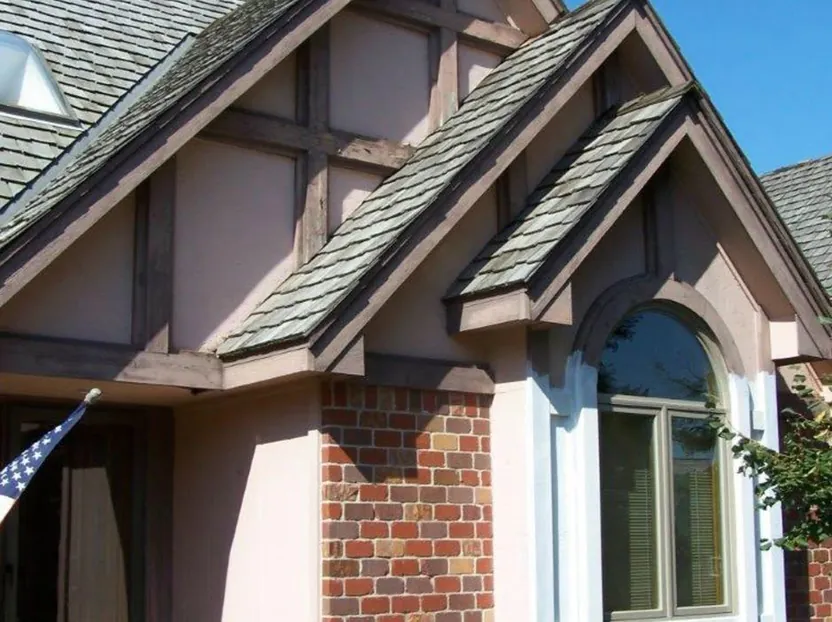 Before
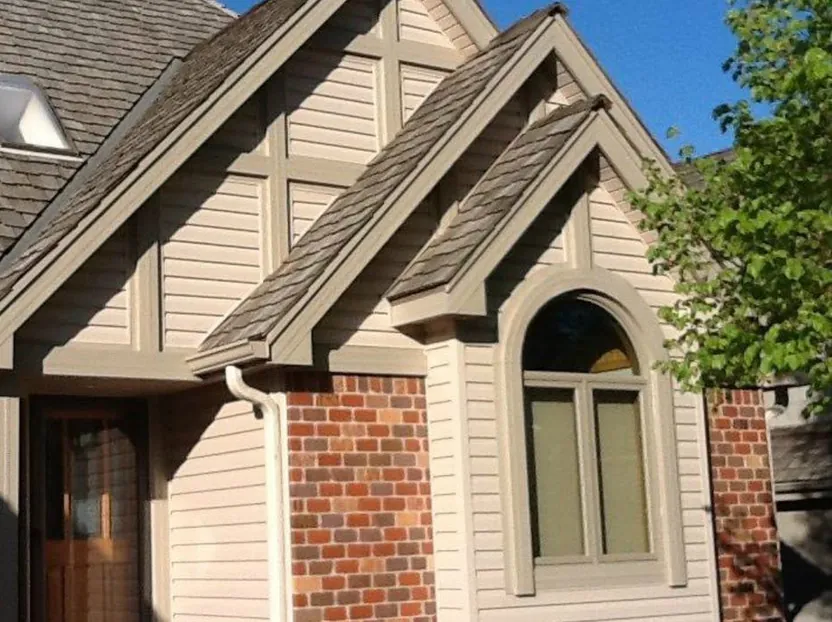 After
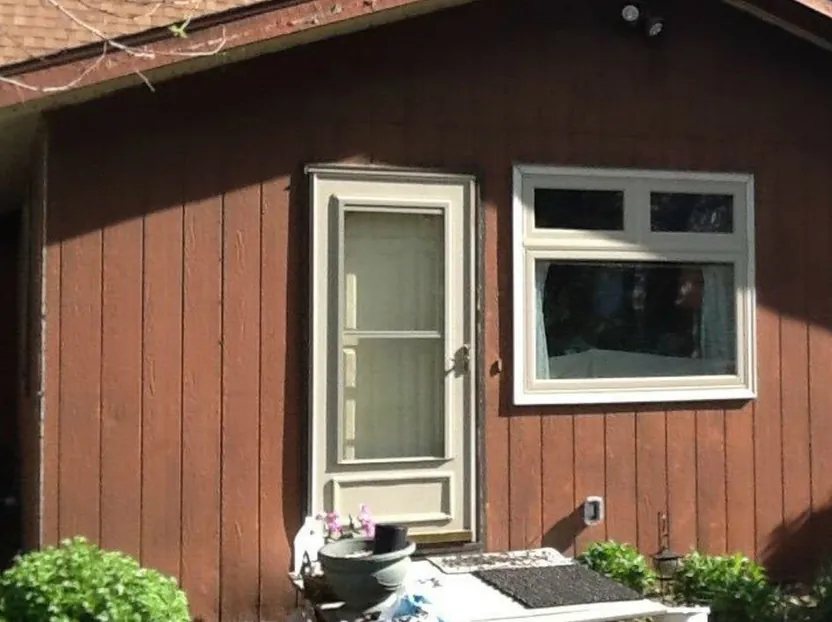 Before
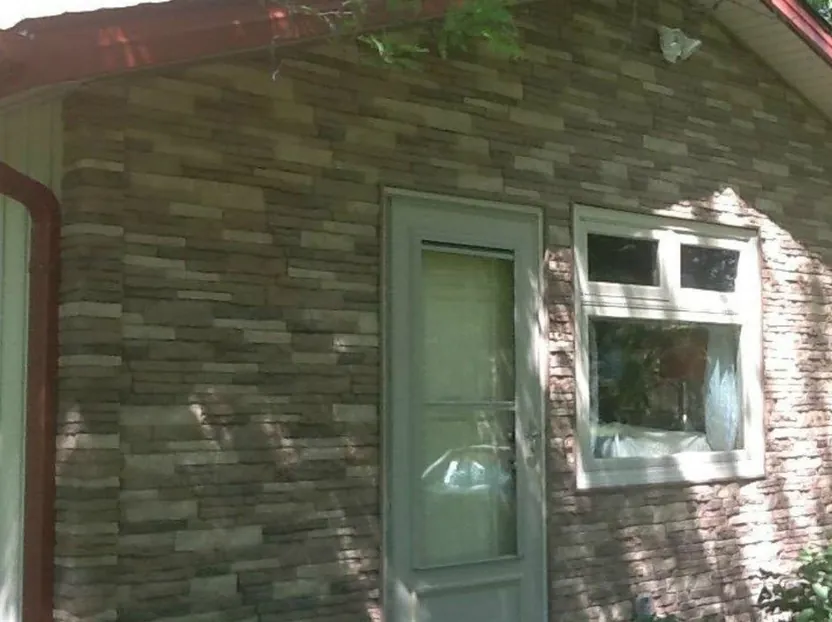 After
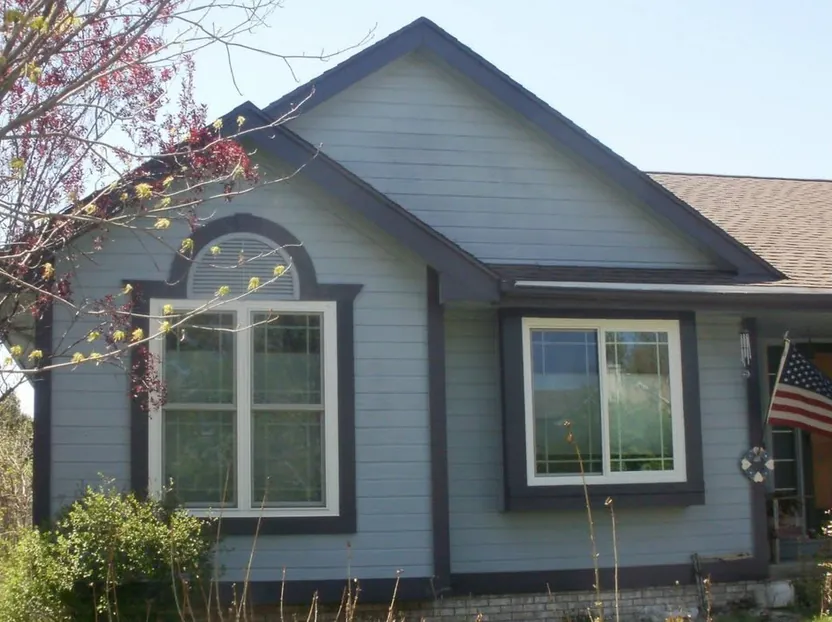 Before
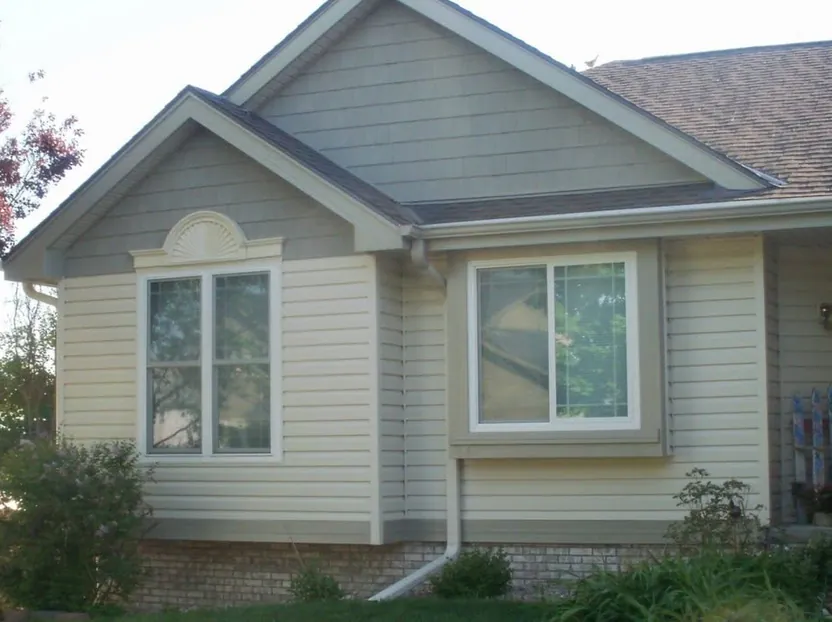 After
Common Questions About Attic & Roof Ventilation
Questions About Attic Ventilation
Go into your attic on a hot summer day and check the temperature. If it’s significantly hotter than outdoor temperature (more than 15–20°F difference), airflow is insufficient. Look at the underside of the roof decking and rafters for dark stains or water marks, which signal moisture accumulation over time. Ice dams forming consistently along your roof edge every winter are another telltale sign of inadequate ventilation creating heat buildup that melts snow from below.
Ridge vents require removing the top 12 inches of shingles to cut through the plywood decking. If you’re not replacing your roof, we can install power vents through the roof instead—fewer shingles come off, and the job can be done on an existing roof. If you’re replacing shingles, adding a ridge vent at the same time is most economical.
Both. Ventilation requires a complete airflow circuit: intake (soffit vents bringing cool air in from the eaves) and exhaust (ridge or power vents pushing hot air out the peak). One without the other fails. A home with soffit vents but no ridge vent will trap heat; a home with ridge vent but no soffit intake will pull air from living spaces below, defeating the purpose.
No. Proper ventilation exhausts air from the attic space only, not conditioned air from your home’s living spaces. When your furnace heats your house in winter, that heat stays inside the insulated living space—attic ventilation has no access to it. The attic stays naturally cold year-round regardless of ventilation. In fact, ventilation prevents winter heat loss by keeping the attic consistently cold instead of allowing warm spots that would melt roof snow and create ice dams.
A power vent (usually 200–400 watts) runs intermittently on a humidistat—typically 2–4 hours on hot summer days, and rarely during cooler months. The electric cost is modest compared to increased AC usage from an unventilated attic, which works far harder to pull cooling down through an overheated attic. Modern humidistats only run the fan when humidity rises above a threshold, avoiding unnecessary runtime and minimizing energy consumption.
Ridge vents are passive systems that rely on the natural draft created as warm air rises and escapes through the peak, pulling cooler air in through soffit vents. They require no electricity and create no noise, but they work best on steep roofs with strong wind exposure. Power vents use a motorized fan controlled by a humidistat to actively pull air out, creating dramatically stronger exhaust. In Omaha, ridge vents work well on most pitched roofs with good wind exposure, while power vents are better for flat or low-slope roofs, heavily insulated attics, or homes where passive ventilation has already failed.
Yes. Debris-filled gutters block soffit vents, stopping intake airflow. The attic gets starved of fresh air, and moisture has nowhere to go. We recommend cleaning gutters twice yearly—spring and fall. Some homeowners add gutter guards; that helps but doesn’t eliminate the need for occasional cleaning.
Usually. Mustiness signals moisture trapped in the attic. Proper ventilation exhausts that moisture as it forms, preventing the conditions where mold and mildew thrive. After installation, the attic smell usually disappears within a few weeks once the moisture load drops.
Yes—it’s not about storage space, it’s about protecting the structure. Your roof, rafters, and decking need ventilation to prevent rot, ice dams, and shortened shingle life, whether or not anyone ever enters the attic. An unventilated attic damages the roof regardless of how the space is used.
Absolutely. If you already have soffit and ridge vents but they’re insufficient, we can add power vents or additional intake. If older turbine vents aren’t performing, we can remove them and install a ridge vent system or motorized fan. We assess what’s there and strengthen it based on your home’s needs.


Customer Reviews
Read Reviews on Google (opens in a new tab)
What Omaha Homeowners Are Saying
Word of mouth is how a family-owned exterior contractor ends up a 6-Time People’s Choice Award winner — we let our completed projects and our customers do most of the talking.
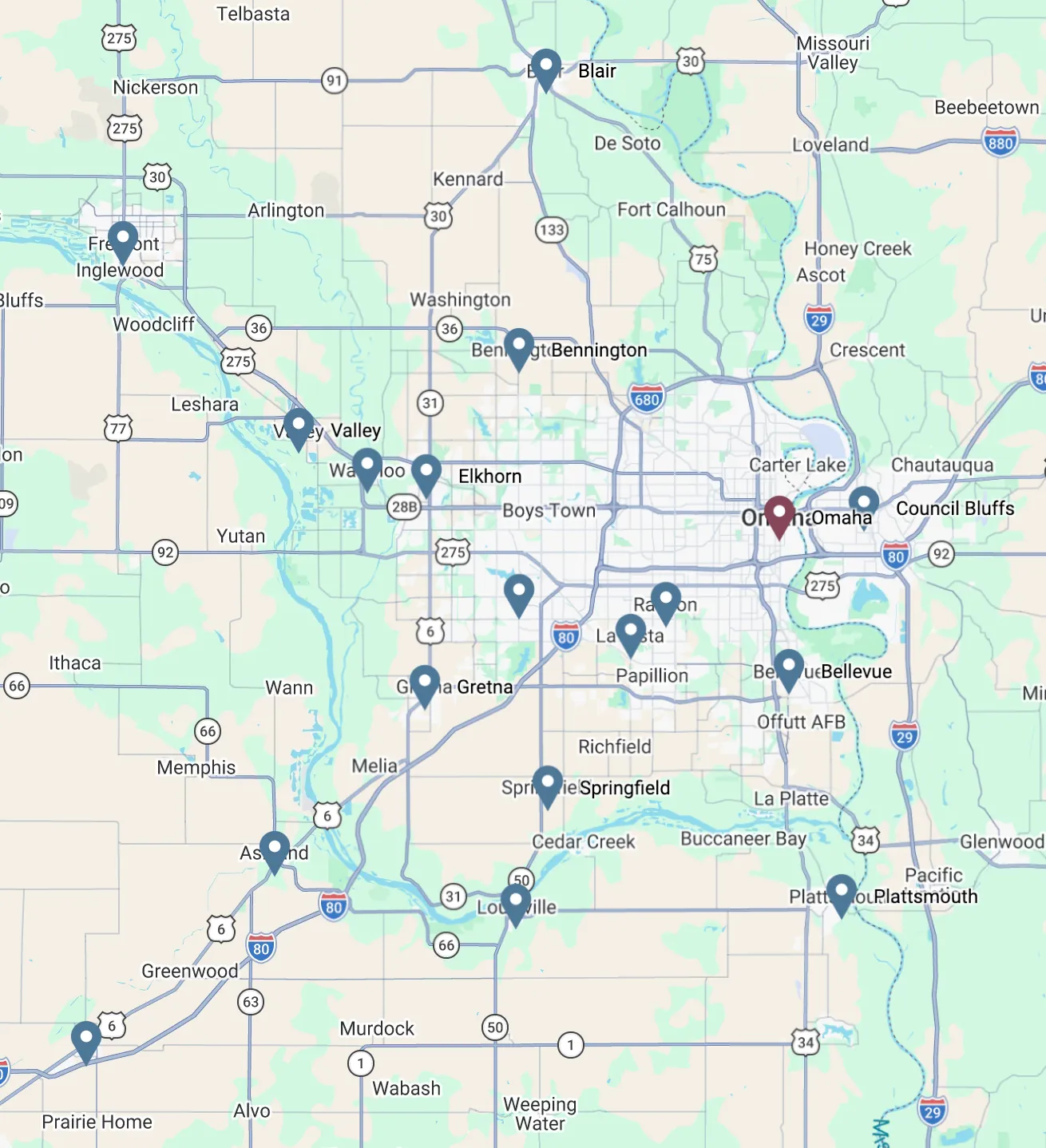
Serving the Omaha Area & Beyond
Our Service Areas Around Omaha
We install ventilation systems throughout the Omaha Metro and surrounding communities:
Omaha, NE Gretna, NE La Vista, NE Council Bluffs, IA Fremont, NE Ashland, NE Waverly, NE Valley, NE Waterloo, NE Bellevue, NE Papillion, NE Ralston, NE Elkhorn, NE Millard, NE Bennington, NE Blair, NE Plattsmouth, NE Springfield, NE Louisville, NE All Service Areas
Don’t see your service area? Call us.
Roofing Work That Pairs Well
Roofing Projects That Pair With Ventilation
-
Architectural Shingles
Premium asphalt shingles with reinforced backing and extra durability last longest in well-ventilated attics. When heat and moisture are kept in check by proper ventilation, architectural shingles shed water more reliably and resist weathering longer. Pairing quality shingles with our ventilation installation gives you years more roof life.
-
Standing Seam Metal Roofing
Metal roofs perform best when attic temperature and humidity stay controlled. We integrate ridge vents and soffit intake into metal installations to prevent condensation on the underside of the metal deck, which can cause rust and corrosion. Proper ventilation is critical for metal roof longevity.
-
Roof Inspections & Insurance Claims
During a comprehensive roof inspection, we assess ventilation adequacy and flag existing moisture or heat damage. Storm damage often damages soffit vents, ridge vents, and flashing details that compromise ventilation—we identify and document these issues for insurance claims and replacement estimates.
-
Drip Edge & Valley Installation
Drip edge and valley flashing work closely with soffit and ridge ventilation. Proper integration ensures water sheds away from fascia and valleys while allowing air to flow freely through intake vents. We coordinate drip edge detail with your ventilation design during installation.
-
Pre-Formed Metal Roofing
Pre-formed metal panels perform best with controlled attic temperature and humidity beneath them. We coordinate soffit and ridge ventilation with pre-formed metal installations to prevent condensation on the underside of the panels.
-
Architectural Metal Accents
Copper and metal accents for bay windows, turrets, and cupolas, crafted and installed to elevate your roof’s profile.
Protect Your Roof With Proper Ventilation
Your Omaha Ventilation Company
An attic that breathes stays healthy, and your roof stays dry. Whether your roof is buckling from summer heat, ice dams are forming consistently along the edge every winter, or moisture is already staining the decking and rafters, Monarch’s Windows, Siding & Roofing Experts diagnose the real problem—inadequate airflow—and install a ventilation system customized to your home and Omaha’s climate.
Our 3-year labor warranty backs every vent, fan, and seal we install, and you’ll get years more life from your roof. Call us today to schedule your free attic assessment.
We’ll explain exactly what your attic needs, why, and what options work best for your situation—with no pressure to upsell. We design systems that work, not systems that impress.
Family-Owned & Operated
Est. 1996
BBB Accredited
4-Time BBB Integrity Award Winners
6-Time People’s Choice Award Winners
Local Windows, Siding & Roofing Experts
